Decorating a small kitchen is a special kind of puzzle: you want it to feel warm and personal, but every extra item can quickly turn into visual clutter. The best small-kitchen decor choices do double duty—adding charm while improving flow, storage, or light. Think of it less as “adding stuff” and more as editing and styling what you already have so the room feels intentional. With the right colors, textures, and a few strategic upgrades, even a narrow galley or apartment kitchenette can look bigger, work better, and feel like a place you actually enjoy cooking in. Keep reading to discover the top 10 small kitchen decor ideas that bring in personality without sacrificing precious counter space. Let’s explore what creates instant impact, what’s worth investing in, and how to make small kitchens feel styled—not stuffed.
1. Use a Light, Limited Color Palette (Then Add One Signature Accent)

In a small kitchen, color is spatial design. A tight palette—think warm white, soft greige, pale oak, or muted sage—reduces visual breaks and helps walls and cabinets “recede,” making the room feel larger. The trick is not to make it bland, but to choose one signature accent that repeats subtly: matte black hardware, brushed brass lighting, a terracotta runner, or deep green bar stools. Repetition is what makes the accent feel designed rather than random. For example, if you choose brass, echo it in cabinet pulls, a faucet, and one decorative object like a utensil crock. Keep high-contrast patterns minimal; in small spaces they can look busy fast. As you move into the next decor upgrades, this palette becomes your filter—if it doesn’t fit, it doesn’t come in.
2. Style Your Counters Like a “Working Display,” Not Storage

Counters are prime real estate in tiny kitchens, and the quickest way to elevate the room is to stop treating them as a parking lot. Keep only a few beautiful, useful items out: a cutting board you actually use, a simple tray to corral oils, and a utensil holder that matches your palette. The tray is the secret weapon—it turns a handful of necessities into a deliberate vignette and makes wiping down counters easier. If you love decor, choose pieces with purpose: a salt cellar, a lidded canister for coffee, or a compact fruit bowl. Everything else should earn its place in a drawer or cabinet. Once you get counters under control, the entire kitchen instantly feels bigger, cleaner, and more “finished.”
3. Add Vertical Storage With Open Shelving (But Keep It Curated)

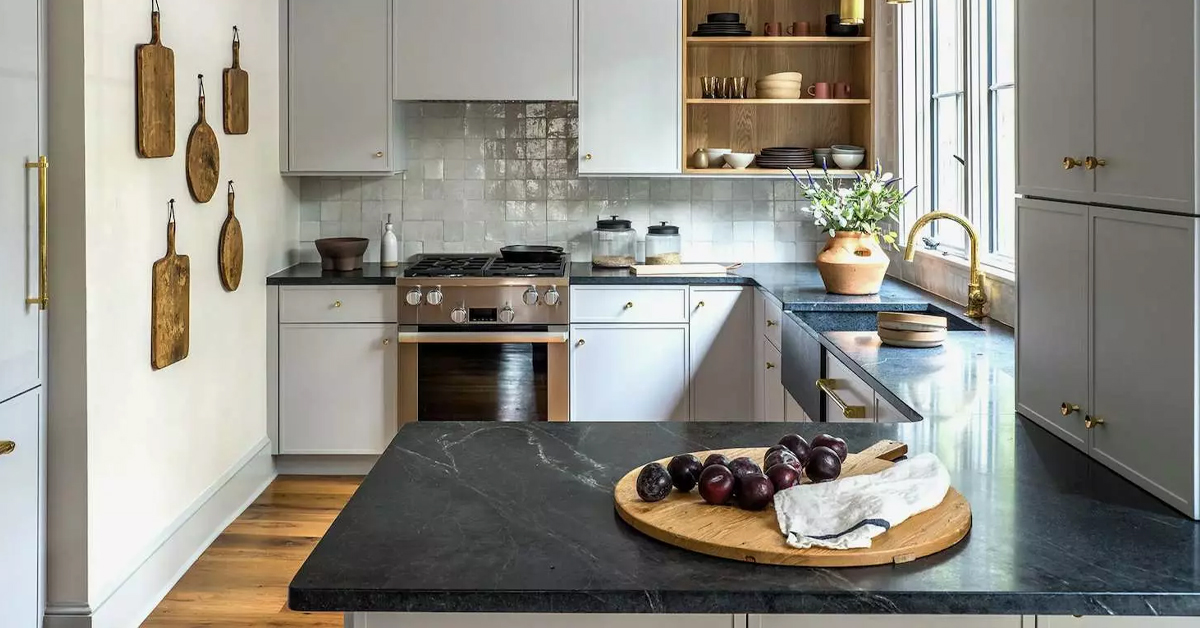
Open shelving can make a small kitchen feel airy because it removes the heaviness of upper cabinets—especially in narrow spaces. The decor win is obvious: you get a styled look with stacked plates, glassware, and a few ceramics. But the key is curating ruthlessly so shelves don’t become visual noise. Aim for a consistent color story (white dishes, clear glasses, wood accents) and limit odd-shaped packaging. Use matching jars for pantry staples like rice or pasta to keep the look calm. Practical tip: place everyday items on the lowest shelf, and reserve higher shelves for less-used pieces. If you’re worried about dust or mess, do one short run of open shelves instead of replacing all uppers. Next, you can layer in lighting to make the shelves feel intentional.
4. Install Under-Cabinet Lighting for an Instant “Designer” Glow

Under-cabinet lighting is small kitchen magic. It brightens countertops for cooking, reduces shadows, and creates that cozy evening ambiance you usually see in staged homes. You don’t even need a major electrical project—many plug-in or hardwired LED strips look sleek when installed properly. Choose a warm temperature (around 2700K–3000K) so the kitchen feels inviting rather than clinical. For decor, the glow highlights backsplashes, wood grain, and styled counter vignettes, making the space feel layered and intentional. If you have open shelves, consider a small picture light or mini puck lights to create a focal point. This kind of lighting upgrade doesn’t take up space, but it adds perceived square footage—because the room feels deeper and more dimensional.
5. Use a Narrow Runner or Washable Rug to Define the Space

A small kitchen can feel unfinished without a soft surface to anchor it. A runner adds color, texture, and comfort underfoot—especially in galley kitchens where you stand in one line while prepping. The best decor choice here is something low-pile and washable, because kitchens are messy by nature. Look for patterns that hide stains without shouting; vintage-style prints are great for this. Keep scale in mind: a runner that’s too short makes the space feel chopped up, while a longer runner visually elongates the room. If your kitchen opens into another area, use the rug to define the kitchen zone and make it feel like a “room,” not a hallway. From there, you can echo rug colors in towels or small accessories for cohesion.
6. Swap Basic Hardware for Something With Character

Changing cabinet knobs and pulls is one of the most affordable small kitchen decor upgrades, and it can completely shift the style—modern, farmhouse, classic, or eclectic. In small spaces, hardware acts like jewelry: it adds detail without adding clutter. If your cabinets are plain, consider slightly larger pulls to create a more custom feel. If you want subtle texture, try knurled metal, aged brass, or soft matte finishes. Just keep the finish consistent with your faucet or lighting so it looks intentional. Mini example: matte black pulls + a black faucet + a black-framed print creates a cohesive thread that feels designed. Hardware is also tactile—everyday touchpoints matter—so choose pieces that feel good in your hand, not just in photos.
7. Decorate With Functional Wood: Cutting Boards, Stools, and Trays

In a small kitchen, the best decor is the kind that can be used at any moment. Wood elements—cutting boards, a small stool, a serving tray—add warmth and break up the hard surfaces of tile, stone, and metal. A simple move: lean two boards of different sizes against the backsplash, then rotate them into use. Or place a small wooden stool near a high cabinet so it doubles as decor and a practical helper. Choose wood tones that complement your cabinets; if your kitchen is cool-toned (gray or white), warmer woods add balance. If it’s already warm-toned, pick lighter oak or bamboo for contrast. This approach keeps the kitchen styled but not precious—everything on display has a job, which is ideal in tight quarters.
8. Add One Big Art Moment Instead of Many Small Items

Small kitchens often get cluttered because we try to decorate with lots of tiny pieces: a sign here, a little print there, a random wall hook. Instead, create one “big art moment” that anchors the room and calms the visual field. A larger framed print, a vintage food poster, or a minimalist photograph can add personality without looking busy. If wall space is limited, consider art on a narrow wall near the pantry, or even a framed piece leaning on a shelf. Keep the frame finish consistent with your hardware for cohesion. The goal is to give the eye a focal point—something intentional—so you don’t feel the need to sprinkle decor everywhere. Once you have that focal point, you can keep the rest of the styling simple and breathe easier.
9. Use Matching Canisters and Jars to Make Everyday Items Look Curated

Packaging is the enemy of small-kitchen calm. Mismatched bags and boxes visually “shout,” even if the kitchen is clean. One of the easiest decor wins is decanting staples into a few matching jars or canisters—flour, sugar, coffee, tea, pasta, snacks. Choose clear containers if you like seeing what you have, or opaque ceramic canisters if you prefer a more minimal look. Labeling is optional, but a simple, consistent label style can make the setup look boutique. Bonus: it’s practical because it can reduce pests and helps you see when you’re running low. Keep the number of containers realistic—only decant what you use weekly. This creates a styled pantry/counter look while actually improving day-to-day function.
10. Make the Sink Area Feel Intentional With a Small “Station”

The sink is the most used spot in most kitchens, and in a small kitchen it’s always visible—so styling it matters. Create a tiny sink “station” with a soap dispenser (ditch the plastic bottle), a small dish brush or sponge holder, and maybe a compact plant or candle if space allows. The goal is to keep it neat and consistent with your overall palette. A simple tray or slim silicone mat can catch drips and visually contain the items, so the area looks tidy even midweek. If you have a window above the sink, lean into it: a small herb pot or a narrow vase can add life without eating counter space. End with this thought: when the sink area looks calm, the whole kitchen feels calmer—because it’s the visual center of the room.
Small kitchen decor works best when every choice adds either function, light, or breathing room—so your space feels styled, not crowded.
A tiny kitchen can still feel like a dream kitchen when you treat decor as strategy: a simple palette, clear counters, vertical storage, warm lighting, and a few high-impact details that repeat. Start small—swap hardware, add a runner, style a sink station—then build toward bigger upgrades like shelving and under-cabinet lighting when you’re ready. If you try any of these ideas, save this list for later and note which change made the biggest difference in how your kitchen feels day to day. Share it with a friend in a small apartment, or leave a comment with your kitchen layout (galley, L-shape, studio kitchenette) and your style, and you’ll have a clearer direction for your next step.