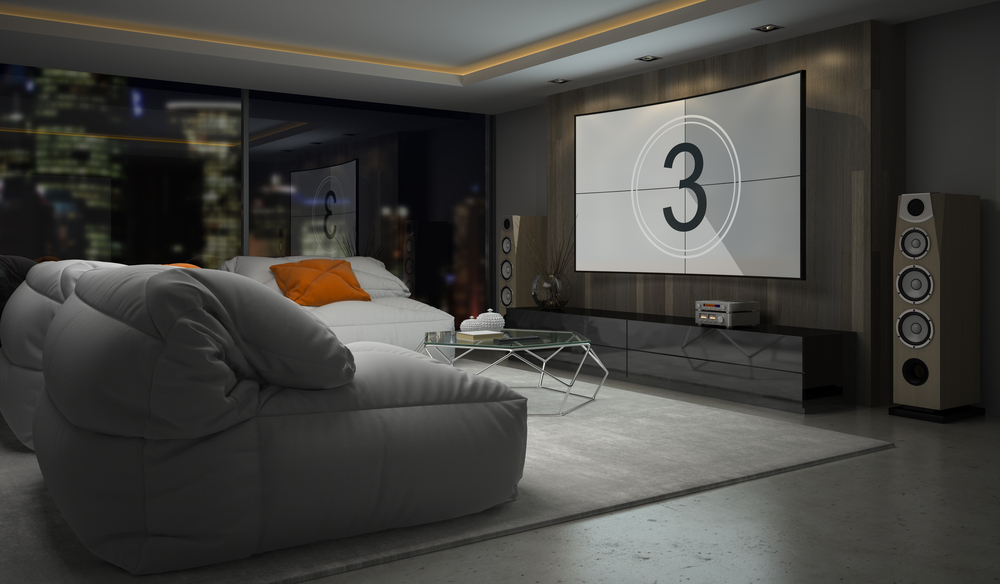
Homeowners today want spaces that feel calm, efficient, and connected to their lifestyle. Modern home design in 2026 strikes the perfect balance between architectural clarity and human warmth, moving away from cold minimalism toward thoughtful, livable environments that support wellbeing and sustainability.
What Makes a Modern Home Feel Right in 2026?
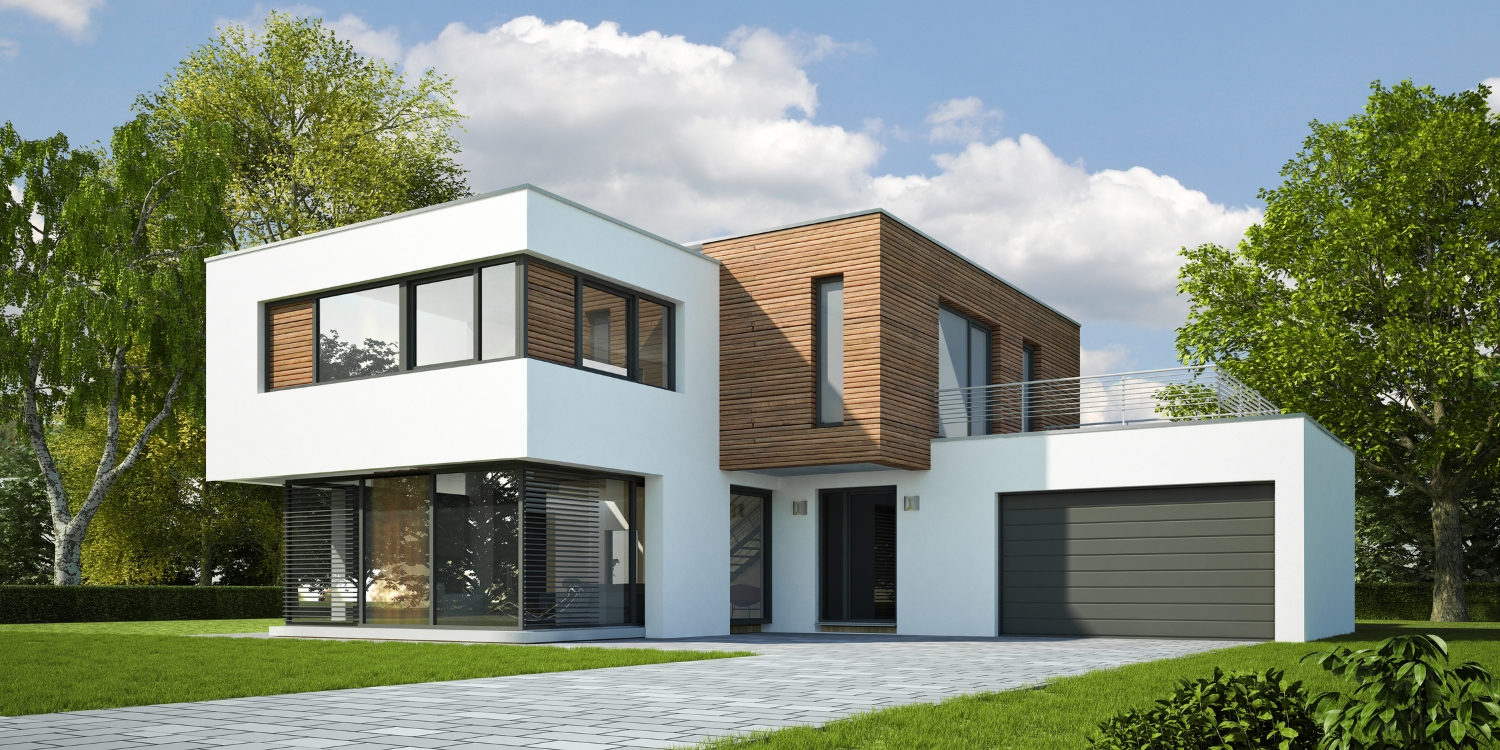
Modern home design emphasizes clean lines, open layouts, natural light, and seamless indoor-outdoor connections. It prioritizes quality over quantity, using honest materials, integrated technology, and flexible spaces that adapt to changing needs. The best modern homes feel uncluttered yet inviting, with every detail serving both function and beauty.
Emerging Trends Shaping Modern Homes in 2026
Several key movements define the year ahead:
- Warm Minimalism — Soft neutrals, natural wood tones, and tactile surfaces
- Biophilic Integration — Indoor gardens, large glass walls, and nature views
- Smart Hidden Technology — Voice control, automated systems, and invisible infrastructure
- Sustainable Materials — Recycled steel, low-carbon concrete, and responsibly sourced timber
- Flexible Multi-Use Zones — Spaces that shift easily between work, rest, and gathering
These trends make modern home design more livable and future-proof.
How Much Does a Modern Home Renovation or Build Cost in 2026?
Creating or updating a modern home requires strategic budgeting. A full renovation of an existing 2,000 sq ft home typically ranges $180,000–$350,000, while new builds can start from $300–$550 per square foot depending on location and specifications. Smart planning around core systems and versatile materials helps control costs while maximizing long-term value and energy efficiency.
Is Modern Home Design the Best Fit for Your Lifestyle?
Consider these diagnostic questions:
- Do you prefer clean, organized spaces over ornate or traditional styles?
- Are you comfortable with open layouts and less visual clutter?
- Does your household need flexible areas for work, exercise, and family time?
- Are sustainability and smart technology important priorities for you?
Positive responses suggest modern home design will serve you well for years to come.
The Essential Framework for Successful Modern Home Design
Top architects and designers rely on this practical 5-pillar framework:
- Spatial Flow — Create open yet defined zones with strategic sightlines
- Material Honesty — Use a limited palette of natural and high-performance materials
- Light & Views — Maximize natural light and frame outdoor connections
- Integrated Technology — Embed smart systems without visual intrusion
- Personal Layering — Add curated art, textiles, and plants for warmth
This framework delivers homes that feel both architectural and deeply personal.
Common Mistakes That Make Modern Homes Feel Cold or Impractical
Many modern projects fall short when owners:
- Over-rely on stark whites and hard surfaces without enough texture or warmth
- Sacrifice storage and functionality for pure aesthetics
- Install technology that feels gimmicky rather than seamless
- Ignore acoustics in open layouts, creating echoey, uncomfortable spaces
Avoiding these issues requires balancing visual simplicity with real-life comfort.
Modern Home Design vs Contemporary Traditional: Direct Comparison
| Aspect | Modern Home Design | Contemporary Traditional |
|---|---|---|
| Aesthetic | Clean lines, minimal ornamentation | Updated classics with details |
| Layout | Open and flexible | More defined rooms |
| Material Focus | Honest, natural, sustainable | Layered and decorative |
| Technology Integration | High and invisible | Moderate |
| Warmth Level | Achieved through texture & wood | Naturally warm from patterns |
| 2026 Relevance | Strong for efficient living | Popular for timeless appeal |
Modern homes excel in simplicity and adaptability.
Key Materials and Tools for Modern Home Design in 2026

Focus on these selections for best results:
- Surfaces: Polished concrete, wide-plank oak, quartz countertops, and large-format tiles
- Windows: Slim-profile aluminum or wood-clad systems with high energy performance
- Lighting: Recessed LEDs, linear pendants, and smart dimming controls
- Design Software: SketchUp, Revit, or user-friendly tools like Cedreo and Planner 5D
These materials and tools help achieve clean, durable, and beautiful outcomes.
Practical Steps to Create Your Ideal Modern Home
Implement these actions for strong results:
- Start with a clear needs assessment and future-proofing plan
- Prioritize natural light and sightlines in early layout decisions
- Select a restrained material palette and stick to it
- Integrate storage solutions that maintain clean surfaces
- Layer in softness gradually through textiles, rugs, and greenery
Consistent execution turns vision into a home that feels effortlessly modern.
Why Modern Home Design Delivers Lasting Value in 2026
Modern home design succeeds by combining clarity, efficiency, and comfort in ways that support contemporary living. These homes adapt easily to changing needs, reduce environmental impact, and create calm environments that improve daily life.
In 2026, the most successful modern homes prove that simplicity done well creates spaces where people truly thrive — focused, connected, and at peace in their surroundings.